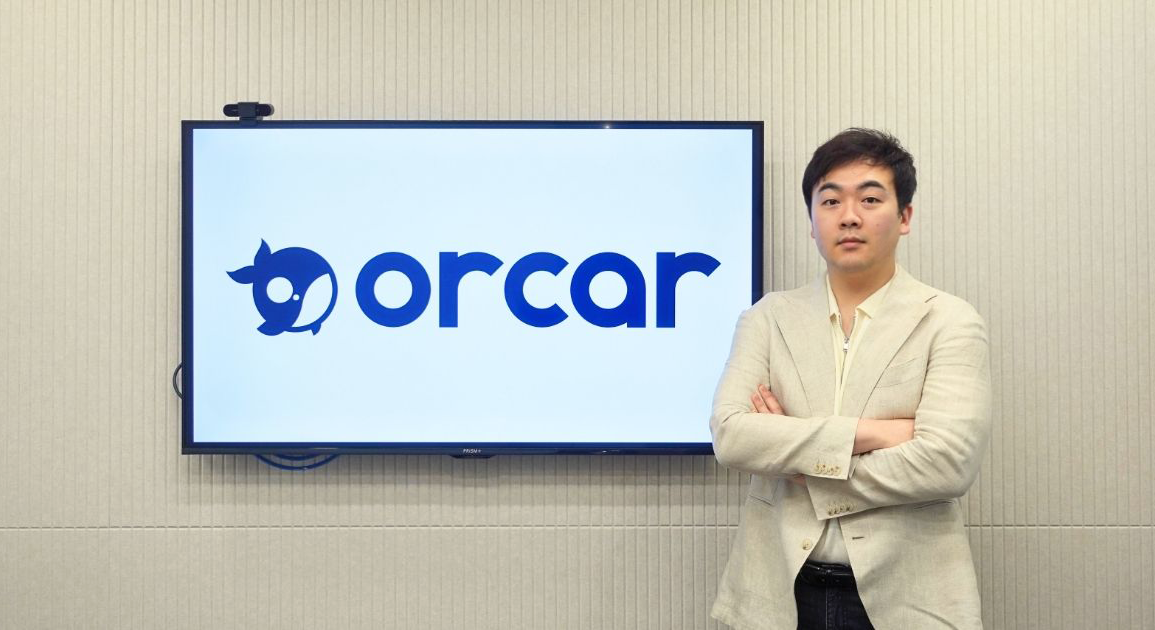
You’ve done everything you thought you could for your upcoming Jeju trip. Flights booked, accommodation sorted, itinerary mapped down to a tee. You land in Jeju and the car rental queue turns out to be thirty minutes long, you and the staff struggle with the language barrier and foreign licenses, the deposit turns out to be double what you expected, and the excitement you carried off the plane starts to quietly fade away. It’s a story you’ve perhaps come across or heard of when someone shares their Jeju car rental experience, and it’s one that Jade Kang and his team at ORCAR want to make irrelevant for foreigners.
Kang is the Chief Product Officer (CPO) of ORCAR, a fully digital car rental platform built specifically for international travellers navigating South Korea. No counters, no deposits, no language guesswork. I sat down with him to understand why the old system keeps failing tourists, what it actually took to build something better, and where ORCAR plans to go next.
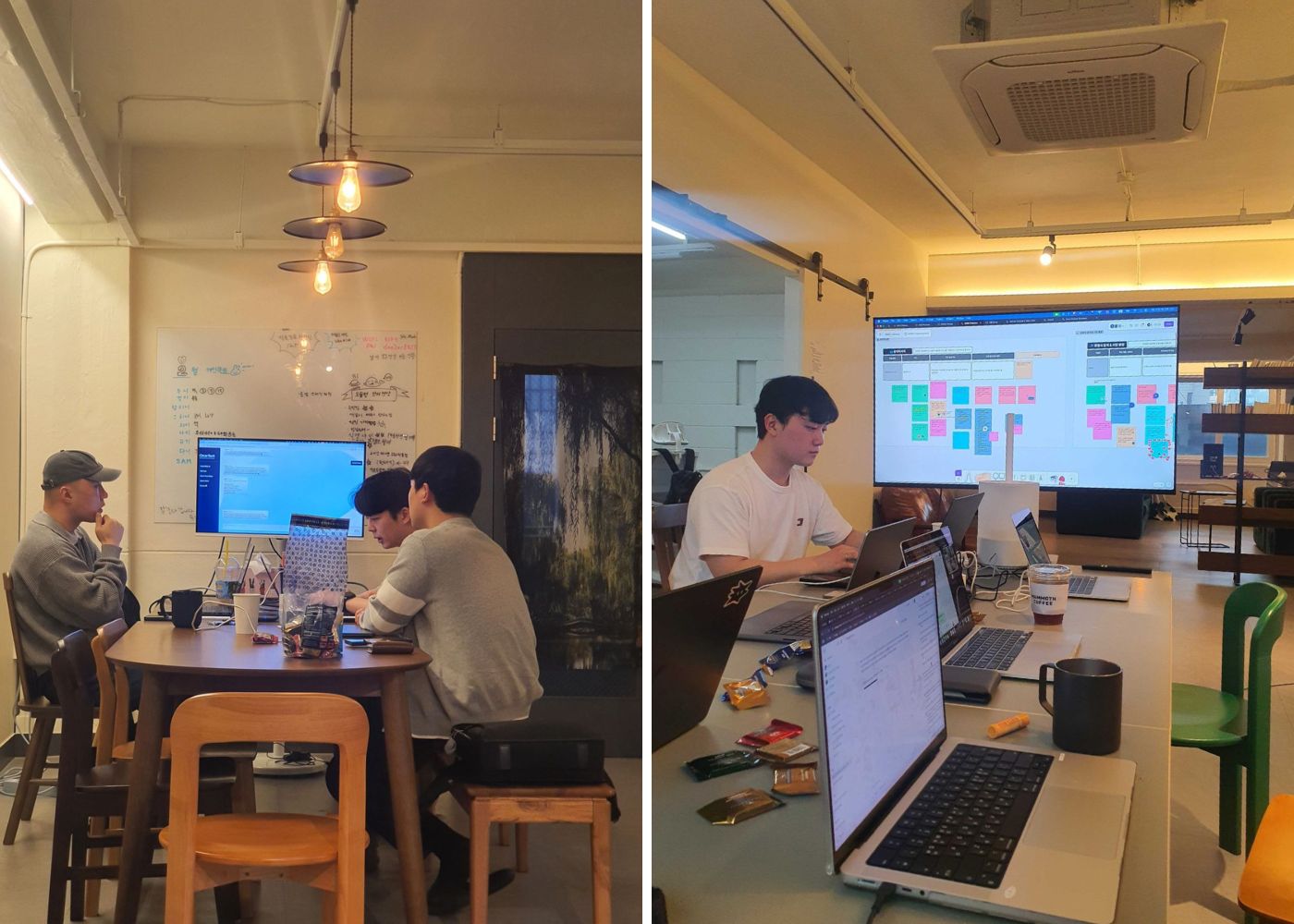
The Gap Nobody Was Fixing
For a lot of foreign drivers reading this, the friction Kang is describing will feel immediately familiar. You step off a plane somewhere new, and the on-demand, frictionless travel experience you’re used to at home just disappears.
“As a foreigner like myself, there was a gap,” he says. “Most travellers from Singapore are used to getting a GetGo or ride-hailing apps like Grab for their transport needs. Getting into Seoul or Jeju, they probably won’t have that same access. That’s how ORCAR positions itself as a platform to design a bridge. Let’s give them the familiar experience they’re used to in their own countries, even if they’re foreigners.”
The result? A platform with access to over 4,000 cars in Jeju and another 2,000 across the rest of South Korea. But Kang is quick to point out what ORCAR is not: it isn’t an aggregator like Klook, and it isn’t a travel agency. It is, in his own words, a fully registered Software as a Service (SaaS) company licensed to operate in South Korea, with a direct relationship to the cars, pricing and experience.

What “Built for Foreigners” Actually Means
ORCAR’s tagline is that it was built from scratch for international travellers, but Kang is specific about what that means in practice. It is not just a translated website or a booking engine with an international card option bolted on.
“The full journey from booking to drop-off is designed for foreigners from day one,” he explains. “For booking, you go to the website, pick the car based on the information, insurance and make payment online. One thing that ORCAR does differently from the traditional car rental companies like Hertz would be that our verification happens online. Things like your international driving permit and verification of passport documents happen online even before your arrival,” quipped Kang.
That pre-verification detail is more significant than it sounds. The counter is where most rental experiences face issues. Documents get questioned, deposits balloon, upsells get pushed. ORCAR removes that moment entirely, when a customer picks up their keys, the paperwork is already done.
Payments run through Stripe and include what ORCAR calls Dynamic Foreign Exchange, allowing customers to pay in their home currency. Singaporeans pay in SGD rather than Korean won, removing the mental math and the surprise conversion charges that make rental receipts painful to read.
The Pricing Problem
Ask anyone who has rented a car in Jeju what they found confusing, and pricing will usually be one of their common answers. Quoted prices rarely match the final amount that needs to be paid. The industry has, as Kang puts it plainly, “normalised two things: foreigner markups and misleading headlines.”
The logic behind it is cynical but straightforward. Rental companies see foreign customers as higher risk, so they charge more upfront or demand heavy deposits. At the same time, platforms like Trip.com or Booking.com pressure suppliers to list artificially low headline prices, which then get recovered through add-ons and fees at the counter.
ORCAR’s approach is different. Prices fluctuate based on market demand, supply, and seasonality, but they operate within defined floors and ceilings. He notes that ORCAR provides 2025 model cars to international travellers while competitors frequently offer older models to foreign renters. “At ORCAR, we don’t want to lower prices by renting out cars that might be of lower quality,” Kang says. “We want to offer high-quality service to our users without having to compromise on pricing.”
The AI Layer Nobody Tells You About
Behind the clean booking interface, ORCAR runs a significant amount of AI across three areas of its business: verification, customer support, and pricing. For most users, none of it is visible, which is exactly the point.
The verification layer uses Optical Character Recognition (OCR) technology that reads driving licenses and international driving permits, matches names against booking records, and checks document authenticity. The whole thing happens before the customer arrives.

Customer support runs through an AI assistant called MOBI, which handles enquiries outside of operating hours and responds in multiple languages, including English, Malay, and Chinese. Kang says one of MOBI’s more unexpected use cases is answering basic driving questions from travellers who don’t drive on a regular basis, such as “How do you drive this car?” is apparently a real and common question.
The stories that stick, though, are the ones where automation helped with critical and life-threatening situations. Kang shared a story of a customer who experienced a stroke and reached out through MOBI. The AI system was able to escalate this issue to a human staff member immediately.
The Vision Beyond Jeju
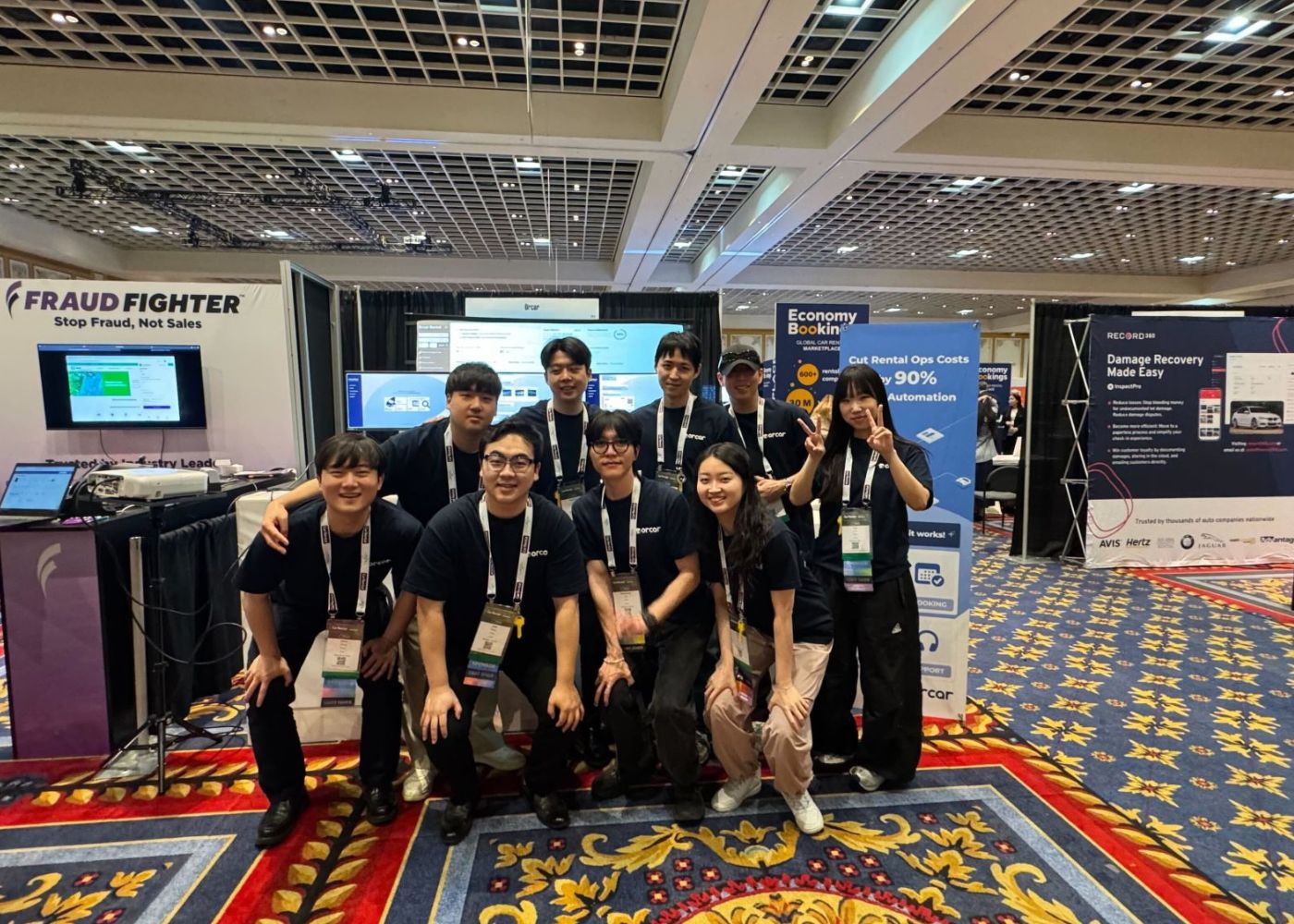
ORCAR currently serves 300 to 400 customers a month, almost entirely through word of mouth and organic sharing on platforms like TikTok. With dedicated marketing now in motion, Kang is targeting to double that volume while maintaining the quality of experience. Growth at the cost of service consistency is not something he entertains.
The longer ambition is bigger. Kang describes a future where ORCAR becomes an umbrella platform for a new generation of car renters, one where your driving behaviour, preferences, and verified documents follow you from one destination to the next.
“Wherever you go, you should be able to experience a consistent car rental experience,” he says. “Your driving behaviour will get accumulated and saved to your next destination. That experience remains.”
By Q3 of this year, ORCAR plans to expand outside of South Korea. Los Angeles and Hawaii are being looked at as early international markets. Malaysia is also on the radar. For travellers from Southeast Asia who have grown comfortable booking rides digitally, the idea of carrying that same expectation into a car rental in a foreign country is, Kang believes, not a stretch at all. It just needed someone to actually build it, and that’s what ORCAR aims to do.
This post is in partnership with ORCAR.